
Zilbauer Lab
Using organoids to untangle the mysteries of IBD


About
Welcome to the Zilbauer Lab at the University of Cambridge. We are a multidisciplinary team passionate about understanding the human intestinal epithelium, with a particular focus on paediatric inflammatory bowel diseases. By combining clinical insight with cutting-edge science, our research explores how epigenetic mechanisms - especially DNA methylation - regulate intestinal epithelial stem cell function during development, homeostasis, and disease. Using a unique biobank of hundreds of patient-derived intestinal organoids, we model the gut epithelium in a patient-specific manner to uncover how molecular changes contribute to disease pathogenesis, severity, and treatment response. Our work integrates state-of-the-art technologies including single-cell sequencing and CRISPR screening, with the ultimate goal of translating findings into personalized therapies for children. We welcome collaborations and new trainees who are excited to push boundaries in gut epithelium research and translational epigenetics.
Our values
Patients first
Everything we do is driven by improving lives - especially those of children. Seeing patients and families, earning their trust, and working with donated tissue reminds us that our science is real and carries responsibility.
Honest science
We aim for high-quality and transparent research that contributes to society - not just results for results’ sake. Integrity, informed consent, and honest reporting guide our work, even when experiments are tough.
Curiosity with purpose
We are motivated by discovery and exploring data in new ways. We value creativity, alternative thinking, and small wins, while keeping a clear focus on translational science.
Key publications
Dennison TW, Edgar RD, Payne F, Nayak KM, Ross ADB, Cenier A, Glemas C, Giachero F, Foster AR, Harris R, Kraiczy J, Salvestrini C, Stavrou G, Torrente F, Brook K, Trayers C, Elmentaite R, Youssef G, Tél B, Winton DJ, Skoufou-Papoutsaki N, Adler S, Bufler P, Azabdaftari A, Jenke A, G N, Thomas N, Miele E, Al-Mohammad A, Guarda G, Kugathasan S, Venkateswaran S, Clatworthy MR, Castro-Dopico T, Suchanek O, Strisciuglio C, Gasparetto M, Lee S, Xu X, Bello E, Han N, Zerbino DR, Teichmann SA, Nys J, Heuschkel R, Perrone F, Zilbauer M. Patient-derived organoid biobank identifies epigenetic dysregulation of intestinal epithelial MHC-I as a novel mechanism in severe Crohn's Disease. Gut. 2024 Aug 8;73(9):1464-1477. doi: 10.1136/gutjnl-2024-332043. PMID: 38857990; PMCID: PMC11347221.
Edgar RD, Perrone F, Foster AR, Payne F, Lewis S, Nayak KM, Kraiczy J, Cenier A, Torrente F, Salvestrini C, Heuschkel R, Hensel KO, Harris R, Jones DL, Zerbino DR, Zilbauer M. Cell Mol Gastroenterol Hepatol. 2022;14(6):1295-1310. doi: 10.1016/j.jcmgh.2022.08.008. Epub 2022 Aug 28.
Elmentaite R, Ross ADB, Roberts K, James KR, Ortmann D, Gomes T, Nayak K, Tuck L, Pritchard S, Bayraktar OA, Heuschkel R, Vallier L, Teichmann SA, Zilbauer M.Dev Cell. 2020 Dec 21;55(6):771-783.e5. doi: 10.1016/j.devcel.2020.11.010. Epub 2020 Dec 7.
Kraiczy J, Nayak KM, Howell KJ, Ross A, Forbester J, Salvestrini C, Mustata R, Perkins S, Andersson-Rolf A, Leenen E, Liebert A, Vallier L, Rosenstiel PC, Stegle O, Dougan G, Heuschkel R, Koo BK, Zilbauer M. Gut. 2019 Jan;68(1):49-61. doi: 10.1136/gutjnl-2017-314817. Epub 2017 Nov 15
Lab members

Matthias Zilbauer
Group leader
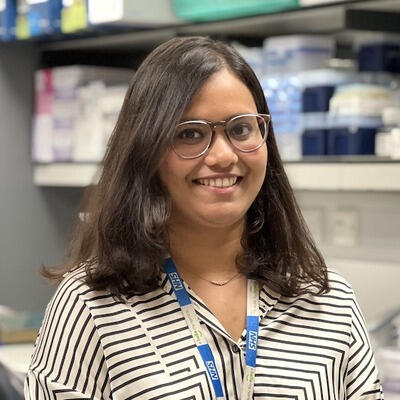
Komal Nayak
Senior scientist / Lab manager

Fariba Khan
Research Assistant

Eva Blahusova
Research Assistant

Thomas Dennison
Postdoc
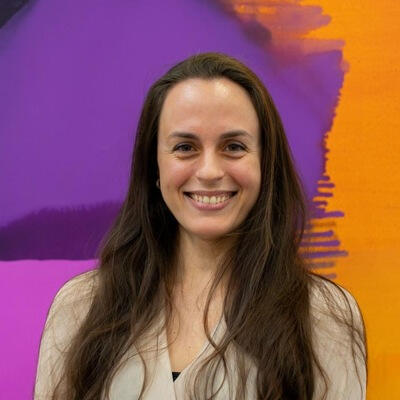
Federica Giachero
Postdoc
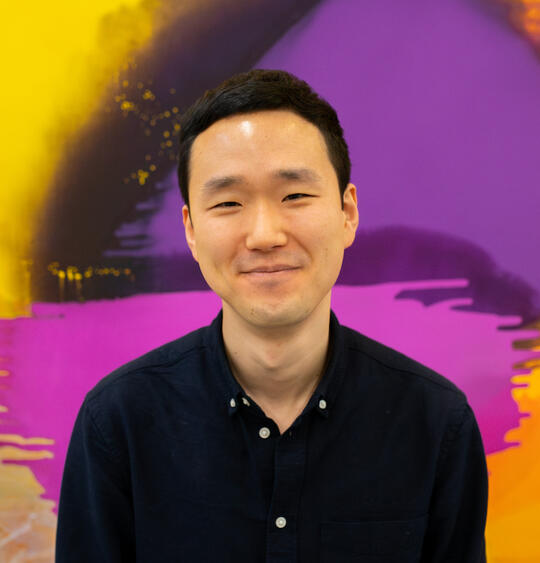
Jaesub Park
Postdoc

Ellie Slater
PhD Student

Woojin Yang
PhD Student
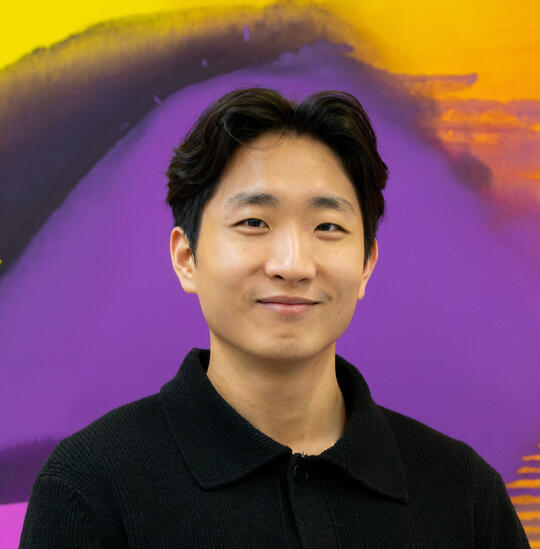
Seokjun (June) Lee
PhD Student

Xingze (William) Xu
PhD Student

Hyun Lee
PhD Student
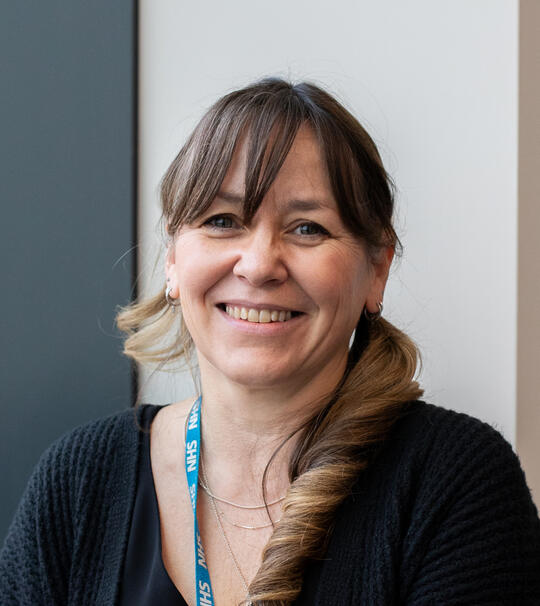
Claire Glemas
Senior paediatric clinical reserch nurse
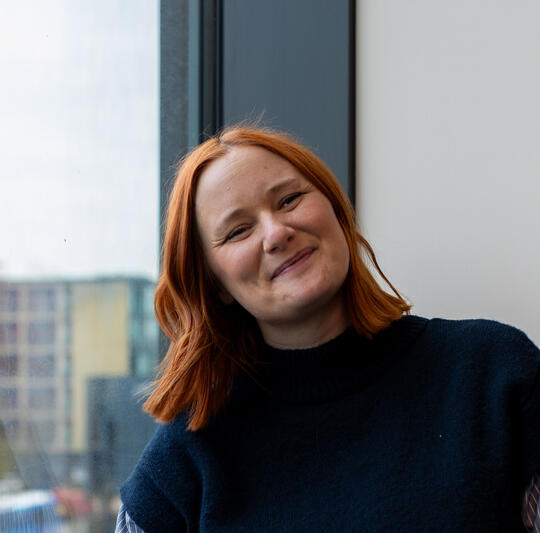
Kelly Spike
Paediatric clinical research nurse
Alumni
...
...
...
© Zilbauer Lab, 2025. All rights reserved.

Population-Scale Organoid-Based Research
for Innovation and Translation in IBD
discovery platform
As one of the main experimental models, we use human mucosa derived intestinal epithelial organoids. Over the past 8 years, we have generated a large living biobank containing >1000 frozen organoid lines, one of the world's largest, forming the basis for future translational research efforts.
This allows us to:
Investigate disease mechanisms, using CRISPR-based gene editing, single-cell and spatial transcriptomics, and epithelial–immune co-culture systems.
Validate clinically relevant biomarkers, such as DNA methylation patterns that are stable in vitro and correlate with disease activity and treatment response (Dennison et al., Gut, 2024).
Model therapeutic responses, simulating the effect of biologics and small molecules on epithelial repair, inflammation, and drug sensitivity.
Explore rare epithelial lineages and their roles in homeostasis, inflammation, and regeneration.
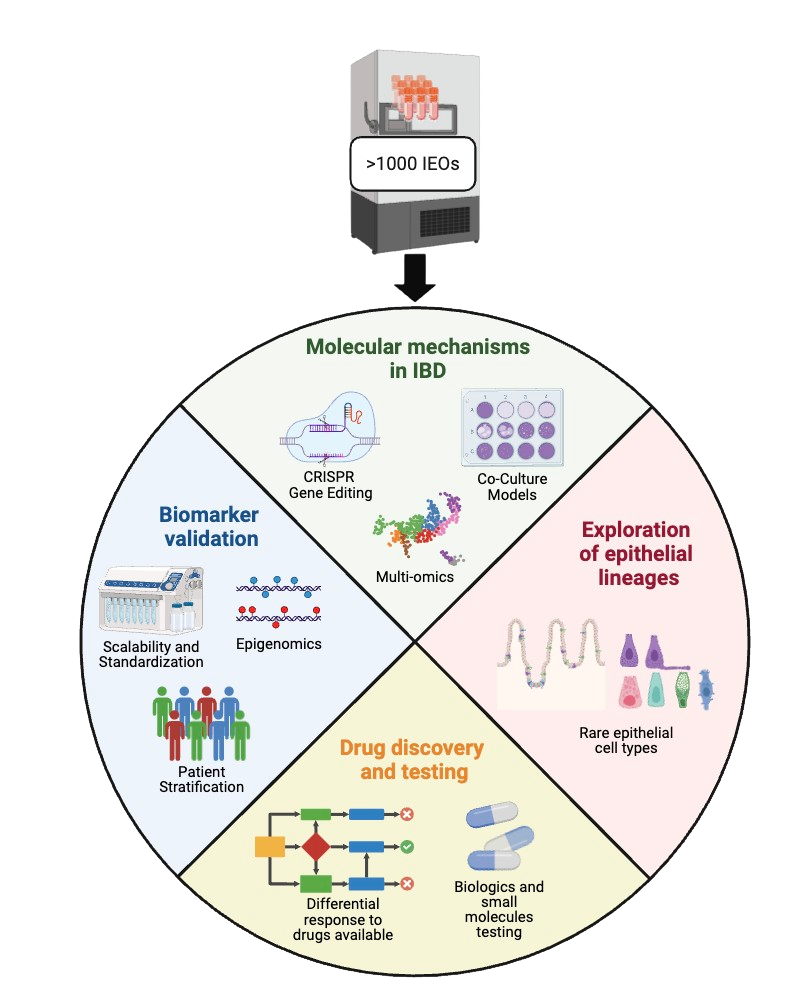
These innovations together with using epigenetic, genetic, transcriptomic, and proteomic profiling bring us one step closer to uncovering molecular mechanisms in IBD.
epigenetics in ibd
A major focus of our research lies on the role of epigenetic mechanisms in regulating intestinal epithelial cell function. More specifically, we are investigating how DNA methylation (DNAm), one of the major epigenetic marks operative in mammalian cells, impacts on gene transcription and cell function of the human intestinal epithelium in healthy gut development, at homeostasis as well as related diseases such as Inflammatory Bowel Diseases (IBD). Epigenetic mechanisms can be influenced by environmental factors such as diet, microbial colonisation, lifestyle factors (e.g. smoking) and exposure to medical treatment (e.g. antibiotics). As such they could provide the link between changes in our environment and the major increase in the incidence of many multi-factorial disease such as IBD.
next-generation organoid models
In collaboration with Professor Roisin Owens (Department of Chemical Engineering and Biotechnology, University of Cambridge), we are now developing next-generation organoid platforms.
These include:
Bioelectronic interfaces for real-time physiological monitoring
Advanced co-culture systems integrating epithelial, immune, and mesenchymal components
Customised microenvironments and biomaterials that replicate the physical and chemical landscape of the gut
big data driven approach
To unlock the full potential of our generated data, these diverse layers must be transformed into an integrated, mechanistic framework that links molecular changes to patient outcomes.
Our goal is to:
Define disease-associated molecular changes
Map multi-omics regulatory networks in IBD
Connect molecular signatures to clinical phenotypes and outcomes
AI-driven biomarker discovery and drug target identification
Develop AI-driven clinical decision support tools
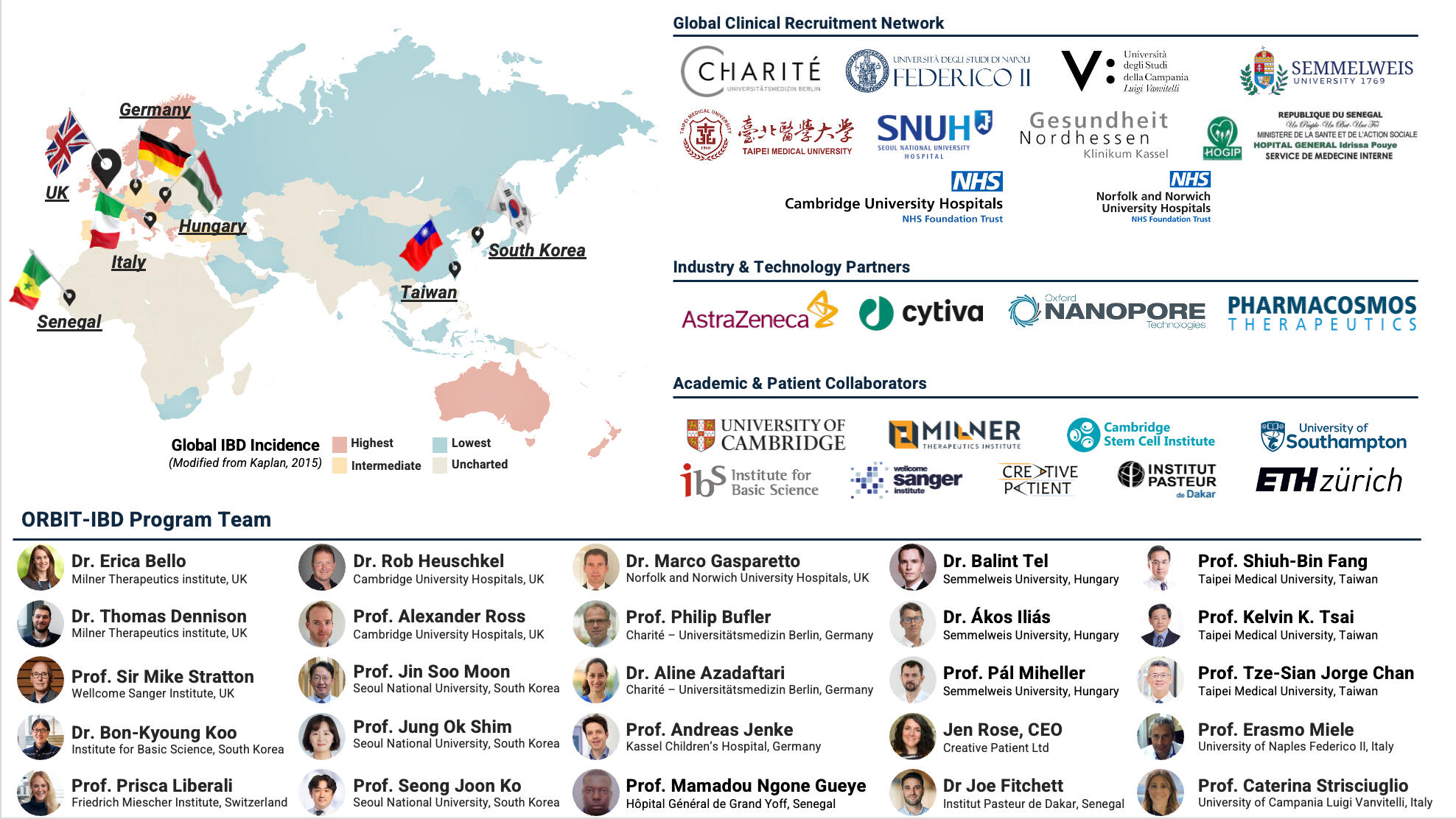
Patient and Public engagement
By translating findings derived from laboratory-based research back into clinical care, we strive to improve the health and wellbeing of patients. We believe that successful translational research can only be achieved by working closely with affected patients and the wider public.


